
Financial
PayPal’s Bold Move: A New Bank for Small Business Loans Could Transform Financing

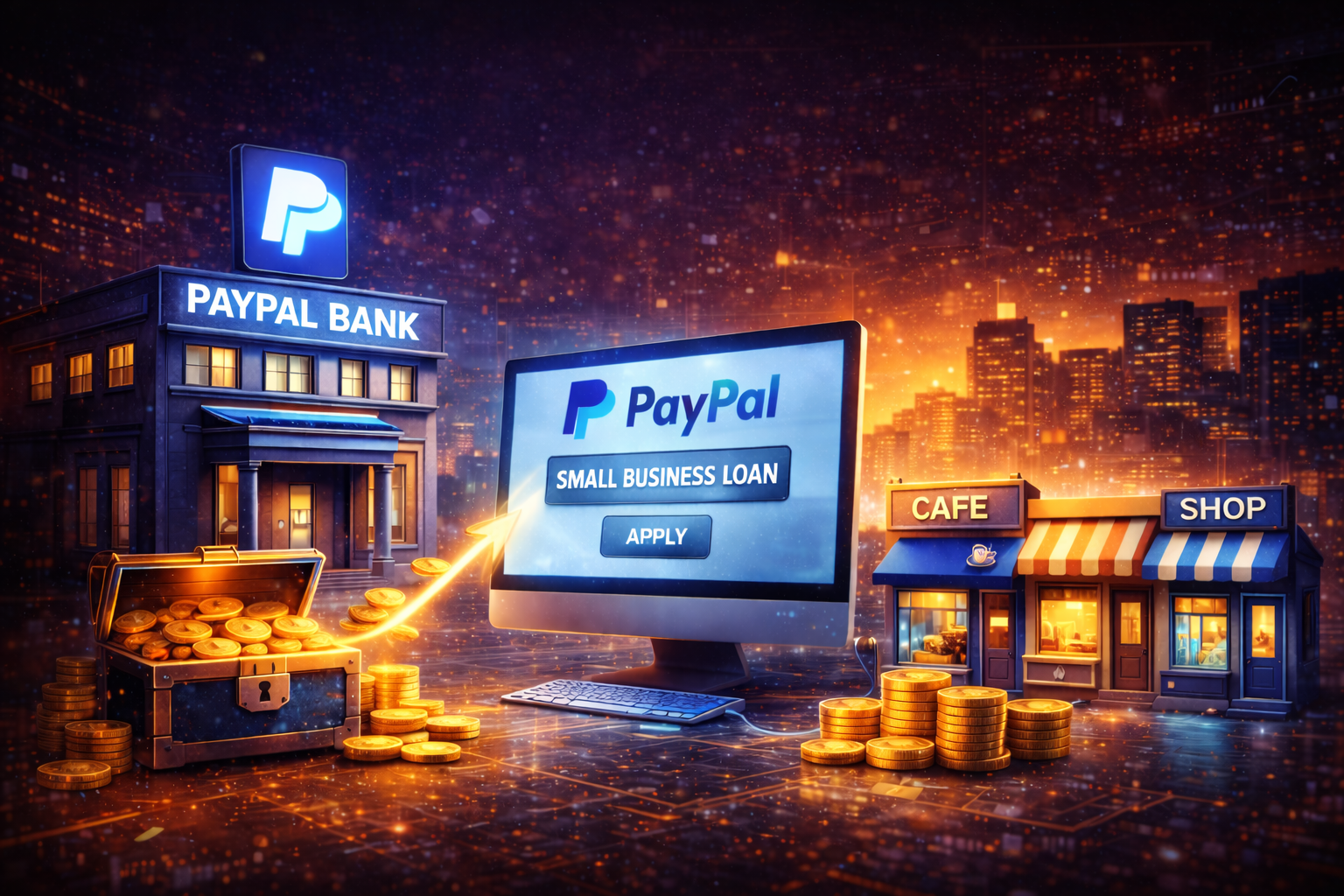
PayPal is taking a major step toward reshaping the future of small business finance. The company has officially applied to establish a dedicated U.S. bank designed specifically to originate and manage PayPal small business loans. This strategic shift signals a powerful evolution for the fintech giant, putting it in direct competition with traditional lenders while offering entrepreneurs a more modern, data-driven alternative.
What PayPal’s New Bank Means for Small Business Owners
PayPal has submitted its application to the U.S. Office of the Comptroller of the Currency (OCC). If approved, the institution will be focused exclusively on providing small business loans across the United States.
This would allow PayPal to originate, underwrite, and service loans directly—something it currently must do through bank partners. With complete control over the lending infrastructure, PayPal could offer faster approvals, more specialized loan products, and deeper integration with the existing PayPal business ecosystem.
For entrepreneurs, this means the potential to:
- Apply for financing directly inside their PayPal dashboard
- Access loans based on real PayPal sales data
- Receive faster decisions and more flexible credit options
For many small businesses that struggle to qualify for traditional bank loans, this represents a meaningful new source of capital.
Why PayPal Is Making This Strategic Shift Now
The timing of this move aligns with a major gap in the lending market. Traditional banks often view small business lending as risky and resource-intensive, leaving many entrepreneurs underserved.
PayPal, however, has access to years of real-time merchant transaction data, allowing it to evaluate creditworthiness with greater precision. By leveraging this advantage, PayPal aims to offer:
- Streamlined loan access with minimal paperwork
- Data-powered risk analysis that goes beyond credit scores
- A unified financial hub for payments, lending, and cash management
This evolution positions PayPal not just as a payments provider, but as a comprehensive business banking partner.
Challenges PayPal Must Navigate
Becoming a regulated bank introduces significant oversight and operational demands. PayPal will need to comply with strict capital requirements and supervisory expectations while preserving its fast-moving fintech culture.
Additional questions include whether:
- PayPal loans will be meaningfully better than existing lending options
- Merchants will trust PayPal as a true banking institution
- The company can balance innovation with regulatory obligations
Competition is also heating up. Square (Block) already operates a bank, and other fintechs are rapidly entering embedded finance.
A Glimpse into the Future of Business Banking
PayPal’s application marks a pivotal milestone for the future of embedded finance. It hints at a world where businesses manage payments, loans, and financial operations from the same digital platform they already use daily.
If approved, the PayPal small business bank could:
- Offer faster and more inclusive access to capital
- Redefine underwriting using real transaction data
- Push more fintechs to pursue similar regulatory pathways
This move could ultimately lead to a more agile, transparent, and digital-first financial system for entrepreneurs.
Frequently Asked Questions (FAQs)
Q: Has PayPal’s bank been approved yet?
A: No. The application has been filed with the OCC, but regulatory review may take several months or longer.
Q: Will this change PayPal’s existing loan products?
A: Potentially. The new bank could expand or absorb programs like PayPal Working Capital, offering new lending tools with more control.
Q: Is this bank for personal loans?
A: No. The bank is designed exclusively for U.S. small business lending.
Q: How is this different from traditional bank loans?
A: Expect faster decisions, online applications, and credit assessments based on PayPal sales data rather than just credit scores.
Q: Would funds held in this new bank be insured?
A: If approved, deposits would likely be FDIC-insured up to standard limits.
Q: What does this mean for competitors like Square/Block?
A: It increases pressure in the embedded finance space. PayPal is now following a similar path to Square’s bank charter, intensifying competition.

Crypto Currency
Atlas of USA Positions Itself as a Narrative-Driven Digital Asset Tied to American Identity
Atlas of USA (ATLAS) is emerging as a narrative-focused crypto project that blends digital asset experimentation with themes centered on American identity, decentralization, and community coordination. As attention around politically themed and culture-driven tokens continues to fluctuate across the crypto market, Atlas of USA is attempting to differentiate itself through branding, symbolism, and grassroots engagement rather than short-term speculation.
Unlike infrastructure-heavy blockchain projects, Atlas of USA presents itself primarily as a narrative and community-oriented digital asset. The project emphasizes symbolic alignment with U.S. economic ideals, decentralization, and collective participation, positioning ATLAS as a token shaped more by social coordination than technical complexity.
Token Structure and Supply Characteristics
ATLAS operates as a fungible crypto asset with a fixed supply model designed to avoid inflationary pressure. The project does not promote emissions schedules or yield-driven incentives, instead focusing on ownership distribution and long-term holding behavior. This structure reflects a broader trend among narrative tokens that prioritize scarcity and cultural signaling over utility-based tokenomics.
Market data shows that ATLAS trading activity has remained episodic, with volume spikes often aligning with broader shifts in sentiment around politically themed or U.S.-centric crypto narratives. This behavior is consistent with other community-driven tokens whose momentum is closely tied to social engagement rather than protocol upgrades.
Community-First Positioning
A core component of the Atlas of USA approach is its emphasis on community participation. The project frames token holders as contributors to a shared narrative rather than passive investors. Messaging across community channels highlights coordination, visibility, and grassroots amplification as central drivers of growth.
This positioning aligns with a wider crypto trend where narrative cohesion and online identity increasingly influence token awareness. Rather than promising technological breakthroughs, Atlas of USA leans into symbolism and collective recognition, allowing the market to assign meaning organically.
Market Context and Competitive Landscape
Atlas of USA exists within a crowded category of narrative-based digital assets that draw inspiration from national identity, political discourse, or cultural movements. While competition in this segment is high, ATLAS attempts to stand out by maintaining a clear thematic focus and avoiding overextension into unrelated utility claims.
From a market perspective, ATLAS remains sensitive to sentiment cycles. Periods of increased visibility tend to coincide with broader discussions around U.S. economic policy, decentralization, or digital sovereignty within crypto communities.
Outlook
Atlas of USA represents an example of how crypto assets can function as social and narrative instruments rather than purely technical products. Its future trajectory will likely depend on sustained community engagement, consistent messaging, and its ability to remain relevant within shifting cultural conversations.
As the crypto market continues to fragment into utility-driven protocols and narrative-driven tokens, projects like Atlas of USA highlight how identity and coordination remain powerful forces in digital asset ecosystems.
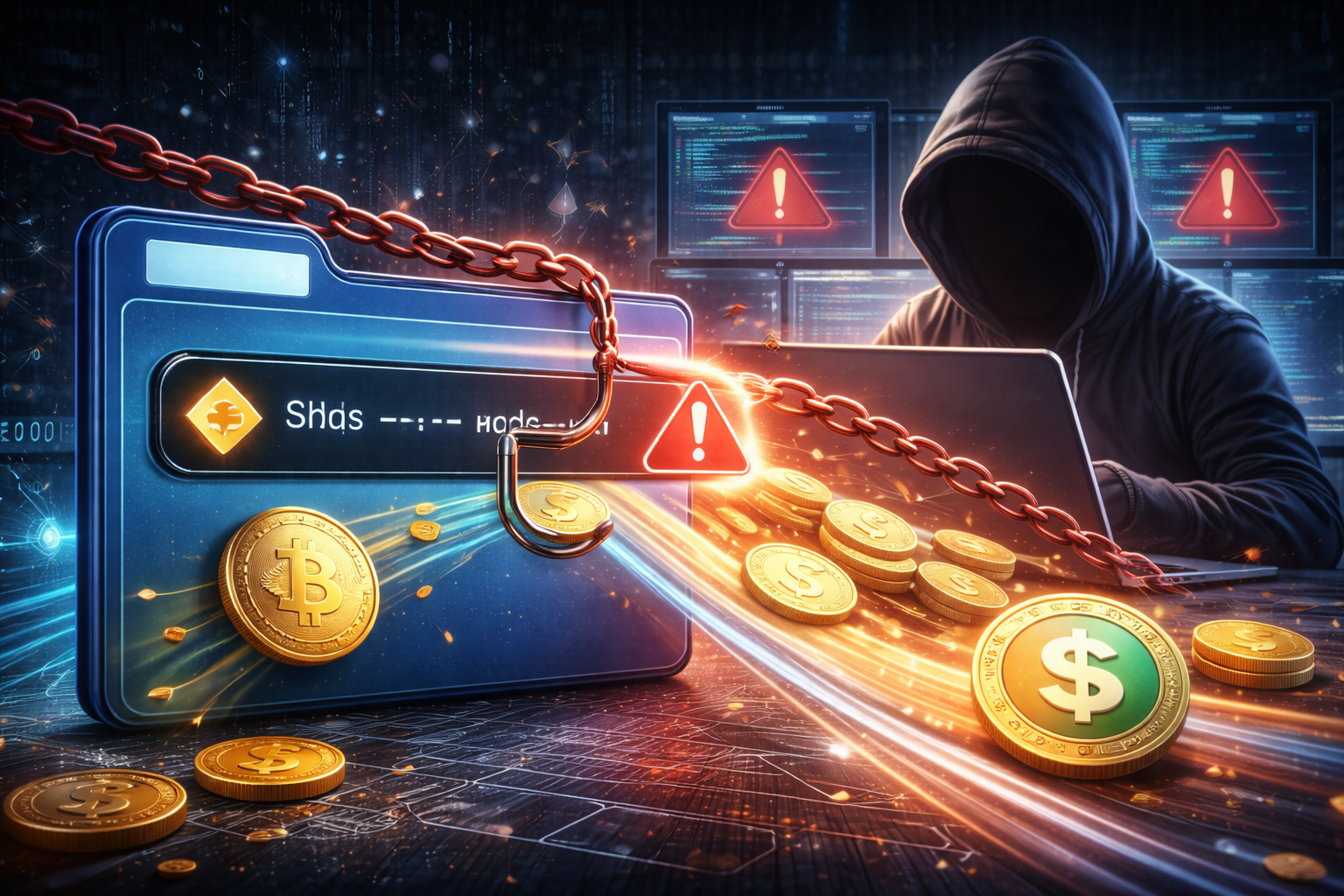
Binance co-founder Changpeng Zhao has urged the crypto industry to adopt unified defenses against address poisoning scams following a $50 million theft involving a single mistaken transaction. The incident, which occurred on December 20, highlights how even experienced traders remain vulnerable to increasingly sophisticated wallet manipulation tactics.
Address poisoning is a form of phishing that exploits how crypto wallets display shortened addresses. By mimicking the first and last characters of a legitimate address, attackers trick users into sending funds to fraudulent destinations that appear familiar at a glance.
How the $50 Million Scam Unfolded
According to on-chain data, the victim began with a standard precaution: a small test transfer. On December 20, the trader sent 50 USDT to what they believed was the correct address. Twenty-six minutes later, confident the destination was verified, they transferred 49,999,950 USDT.
Unbeknownst to the sender, the second transaction went to a scammer-controlled address. The fraudulent address matched the first five and last four characters of the intended destination, differing only in the middle portion—exactly the segment most wallets hide behind ellipses.
This visual similarity allowed the attacker to exploit common user behavior, where traders confirm only the beginning and end of an address rather than the full string.
After receiving the funds, the attacker quickly converted the stolen USDT into DAI, then swapped it for approximately 16,690 ETH. The ETH was later deposited into Tornado Cash, a privacy protocol frequently used to obscure transaction trails. The victim subsequently offered a $1 million on-chain bounty in an attempt to recover the funds.
CZ’s Proposal to Stop Address Poisoning
In response to the incident, Changpeng Zhao proposed three industry-wide countermeasures designed to reduce address poisoning risk across wallets and platforms.
First, Zhao called for automatic detection of suspected poison addresses within wallets. These systems would flag addresses that closely resemble previously used destinations and warn users before transactions are signed.
Second, he suggested real-time sharing of blacklisted scam addresses across the industry. A coordinated database could allow wallets and exchanges to instantly recognize known malicious addresses and alert users.
Third, Zhao recommended filtering spam transactions from wallet histories. Since attackers often seed wallet activity with fake transactions to create misleading address records, hiding or isolating these entries could significantly reduce the effectiveness of poisoning attempts.
Binance Wallet already implements warnings for suspected poison addresses, but Zhao emphasized that isolated solutions are not enough. Address poisoning, he argued, requires a collective response across the crypto ecosystem.
Why Address Poisoning Is a Growing Threat
The incident underscores a broader trend in crypto-related crime. Phishing attacks were the most costly category of crypto theft in 2024, according to blockchain security firm CertiK. Attackers stole more than $1 billion across 296 phishing incidents that year alone.
In 2025, address poisoning accounted for over 10% of wallet drain incidents, reflecting both its effectiveness and ease of execution. The technique does not rely on smart contract vulnerabilities or malware, making it harder to detect with traditional security tools.
One notable case in May 2024 involved a victim who lost $68 million worth of wrapped Bitcoin through address poisoning. In that instance, the attacker eventually returned the funds after pressure from investigators, but such outcomes remain rare.
The Bigger Picture for Crypto Security
Total cryptocurrency theft reached an estimated $3.4 billion in 2025, reinforcing the urgency of improving user-level protections. As self-custody adoption grows, so does the responsibility placed on individuals to verify transactions accurately.
Address poisoning highlights a fundamental usability issue in crypto wallets: human-readable shortcuts can create dangerous blind spots. Without better safeguards, even cautious users can make irreversible mistakes in seconds.
Changpeng Zhao’s call for industry-wide standards reflects a growing consensus that security must evolve alongside adoption. Preventing address poisoning will likely depend not only on better tools, but on collaboration across wallets, exchanges, and blockchain infrastructure providers.
As crypto continues to move toward mainstream usage, reducing preventable losses may prove just as important as advancing new technologies.
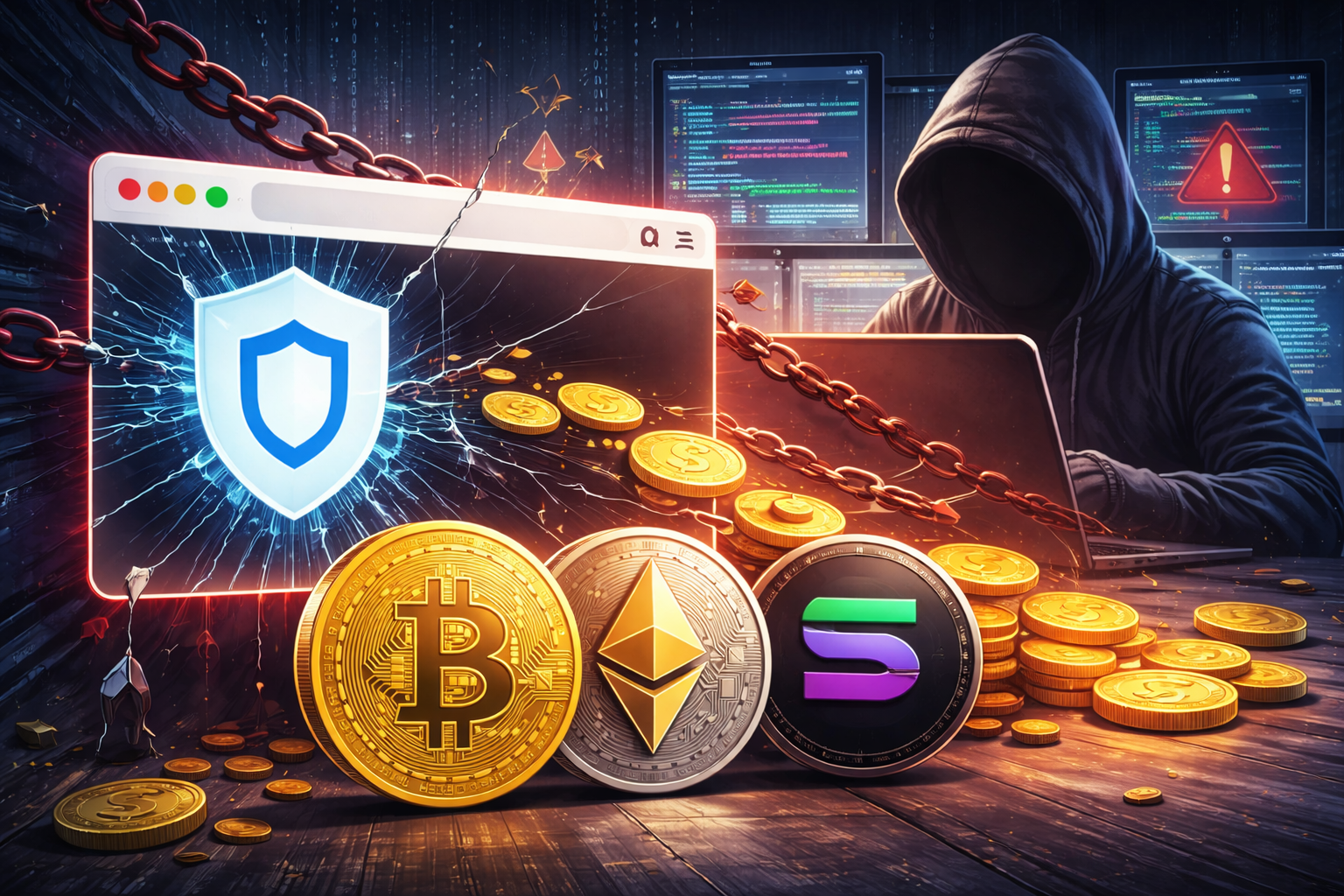
A security incident involving the Trust Wallet browser extension has resulted in the loss of nearly $6 million worth of cryptocurrency, triggering concern across the crypto community during the holiday period. The breach highlights ongoing risks tied to browser-based wallets and the importance of rapid updates when vulnerabilities emerge.
According to Trust Wallet, the issue is limited to version 2.68 of its browser extension. Users of the Trust Wallet mobile application and those running other extension versions are not affected.
What happened with the Trust Wallet hack?
The vulnerability was first identified on December 24, when abnormal wallet activity began appearing on-chain. By December 25, blockchain analysts observed funds being drained from multiple wallets operating on Bitcoin, Ethereum, and Solana networks.
Independent investigator ZachXBT reported receiving messages from hundreds of users whose balances dropped suddenly without any outgoing transactions initiated by them. Community researchers later identified suspicious code within version 2.68 of the extension. The code allegedly redirected sensitive wallet data to a fake external website, giving attackers unauthorized access to user funds.
On-chain analysis suggests the stolen funds were routed through numerous addresses, making the total scope difficult to track precisely. Current estimates place losses at a minimum of $6 million.
Trust Wallet confirms extension vulnerability
Trust Wallet has acknowledged the incident and confirmed that only the 2.68 browser extension was compromised. The company instructed users to immediately stop using that version and upgrade to version 2.69, which it says resolves the issue.
The wallet provider stated that its security and support teams are actively investigating the breach and reaching out to affected users. While Trust Wallet has not yet confirmed whether compensation will be offered, it says impacted users are being guided through recovery and reporting steps.
What users should do immediately
Anyone who used the Trust Wallet browser extension is advised to take action without delay:
First, do not open the Trust Wallet extension on desktop devices if it is still enabled. This reduces the risk of further exposure.
Second, disable the extension immediately via the browser’s extensions settings.
Third, update only to version 2.69 and ensure the update is downloaded exclusively from the official Chrome Web Store. Users should double-check the version number after installation.
Finally, contact Trust Wallet support if any funds are missing. Providing transaction history and wallet details may help ongoing investigations.
Why this incident matters for crypto users
The Trust Wallet hack underscores the unique risks associated with browser extensions. Unlike hardware wallets or isolated mobile environments, browser-based wallets operate in a space frequently targeted by malicious code injections, phishing scripts, and supply-chain attacks.
Even well-established wallet providers can be exposed if a compromised update slips through. This incident reinforces the need for users to monitor wallet updates closely, limit hot wallet balances, and consider additional security measures for long-term holdings.
As investigations continue, Trust Wallet has stated it will release further updates. For now, the breach serves as a reminder that security hygiene — including timely updates and cautious extension use — remains critical in the crypto ecosystem.

CF Blockchain Joins Hong Kong Web3 Festival as Secondary Exhibition Sponsor

ENI Announced as Gold Sponsor at Hong Kong Web3 Festival 2026

CoinPost Announced as Secondary Exhibition Sponsor at Hong Kong Web3 Festival 2026

CHAINISLE Announced as Secondary Exhibition Sponsor at Hong Kong Web3 Festival 2026

KBW2026 Announced as Secondary Exhibition Sponsor at Hong Kong Web3 Festival 2026

Aspire Confirms Official Participation at Hong Kong Web3 Festival 2026

Cardalonia Aiming To Become The Biggest Metaverse Project On Cardano

P2P2C BREAKTHROUGH CREATES A CONNECTION BETWEEN ETM TOKEN AND THE SUPER PROFITABLE MARKET

WOM Protocol partners with CoinPayments, the world’s largest cryptocurrency payments processor

ETHERSMART DEVELOPER’S VISION MADE FINTECH COMPANY BECOME DUBAI’S TOP DIGITAL BANK

Project Quantum – Decentralised AAA Gaming

WOM Protocol Recommended by Premier Crypto Analyst as only full featured project for August
-
 Crypto4 years ago
Cardalonia Aiming To Become The Biggest Metaverse Project On Cardano
-
 Press Release5 years ago
P2P2C BREAKTHROUGH CREATES A CONNECTION BETWEEN ETM TOKEN AND THE SUPER PROFITABLE MARKET
-
 Blockchain6 years ago
WOM Protocol partners with CoinPayments, the world’s largest cryptocurrency payments processor
-
 Press Release5 years ago
ETHERSMART DEVELOPER’S VISION MADE FINTECH COMPANY BECOME DUBAI’S TOP DIGITAL BANK
-
 Press Release5 years ago
Project Quantum – Decentralised AAA Gaming
-
 Blockchain6 years ago
WOM Protocol Recommended by Premier Crypto Analyst as only full featured project for August
-

 Press Release5 years ago
ETHERSMART DEVELOPER’S VISION MADE FINTECH COMPANY BECOME DUBAI’S TOP DIGITAL BANK
-
 Blockchain6 years ago
1.5 Times More Bitcoin is purchased by Grayscale Than Daily Mined Coins