
Recent Updates
Finland Bitcoin Mining, Boosts District Heating


Finland Bitcoin Mining, boosts district heating integration, proves to be an innovative synergy between bitcoin mining operations and district heating systems, and can serve as a precedent for sustainable energy solutions.
This method maximizes energy use and represents an important step toward environmentally friendly technology applications in the crypto-mining sector.
The integration harnesses excess heat from Bitcoin mining to boost the efficiency of district heating networks, offering a model that could inspire similar initiatives globally.
Exploring Finland’s Bitcoin Mining and Heating Integration
The Bitcoin mining integration with district heating in Finland represents a ground-breaking approach to sustainable energy use, fostering synergy that could set a precedent for future projects worldwide.
Understanding District Heating and Bitcoin Mining
District heating, a prevalent method in Finland’s urban infrastructure, involves centrally producing and distributing heat via a network of pipes to multiple buildings.
District Heating Overview
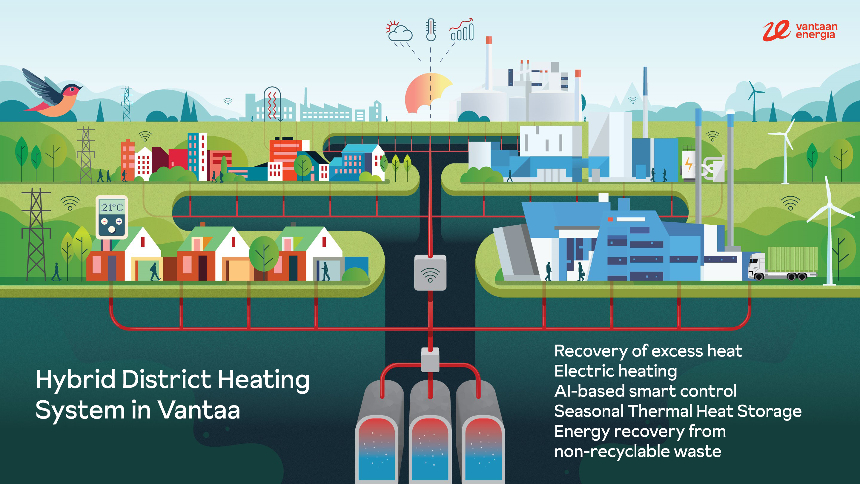
The system and the idea of district heating can be highly efficient in densely populated areas, which is part of Finland’s commitment to sustainable energy practices.
Over 90% of residents in larger Finnish cities benefit from this system, which is now evolving to incorporate more renewable energy sources and innovative technologies like heat recovery from various processes.
Bitcoin Mining Basics
Bitcoin mining involves the validation of transactions and the creation of new coins through complex computational processes. This operation is energy-intensive, owing primarily to the computational power required.
District heating systems in Finland can become more efficient by utilizing surplus heat from mining operations in combination with district heating.
Integration Mechanics
The synergy between Bitcoin mining and district heating in Finland exemplifies a pioneering approach to sustainable energy use.
Miners benefit from an additional revenue stream by selling excess heat to district heating providers, which contributes to a reduction in their operational and environmental costs.
This model provides economic benefits and positions Finland as a leader in using blockchain technology for sustainable practices.
Benefits of Merging Bitcoin Mining with Heating Homes
According to Statistics Finland, as of 2021, nonrenewable energy sources account for 69% of total consumption.
These sources included wood (30%), oil (19%), coal (6%), natural gas (5%), and peat (3%).
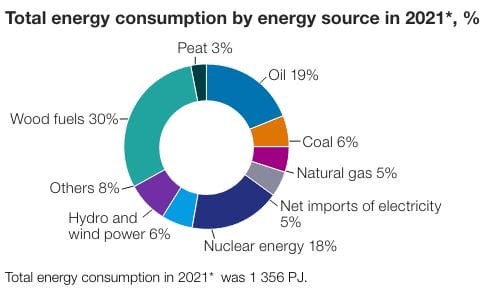
The integration of Bitcoin mining with district heating significantly reduces environmental impact.
Some of the benefits are:
Environmental Impact Reduction
This model reduces reliance on fossil fuels while also helping to reduce greenhouse gas emissions by utilizing excess heat generated by mining operations for heating.
The advanced heat recovery systems ensure that the heat produced during mining does not go to waste but instead supports the heating needs of local communities.
Economic Advantages for Local Communities in Finland
Economically, this integration offers substantial benefits.
District heating systems can be more cost-effective by using waste heat from Bitcoin mining, resulting in lower heating bills for customers.
Additionally, Bitcoin miners gain a stable income from selling the excess heat, enhancing the financial viability of mining operations in regions with high energy costs.
Cases of Success in using Cryptocurrency Mining as a renewable energy technology in Finland
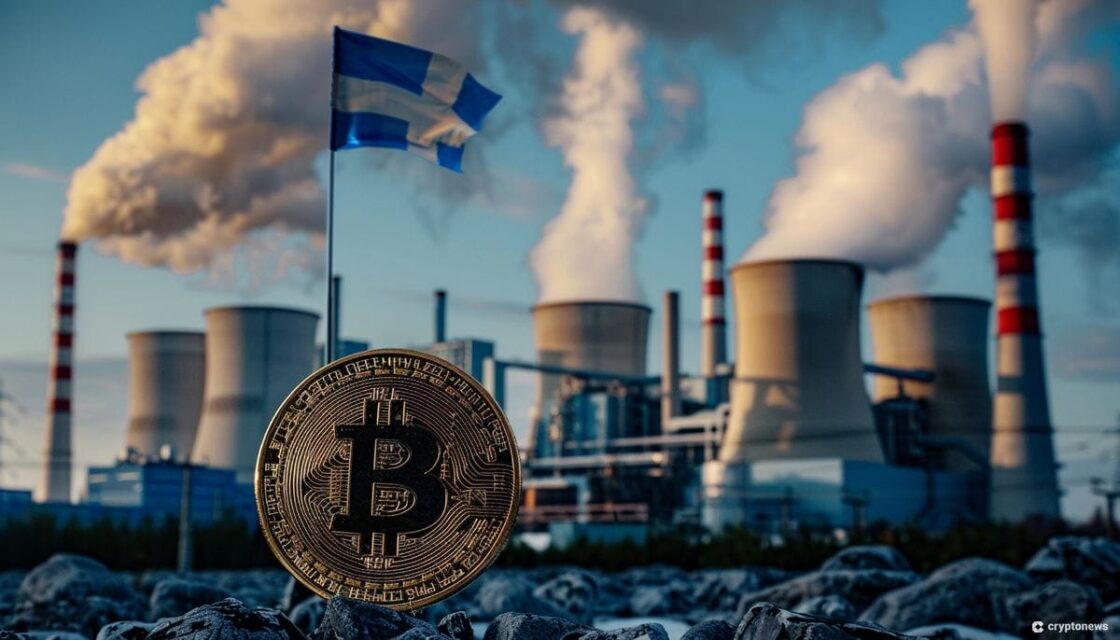
Finland’s advancement in renewable energy technologies, including significant increases in nuclear and wind power capacities, supports the viability of such integrations.
These developments ensure a stable and abundant energy supply, making the region particularly attractive for energy-intensive operations like Bitcoin mining.
This synergy between renewable energy advancements and Bitcoin mining is helping to establish a precedent for other regions to follow, potentially transforming energy use in industries worldwide.
These examples provide a blueprint for replication in other regions, showcasing the potential for scalable and sustainable energy solutions worldwide.
Challenges and Solutions for Finland Bitcoin Mining and District Heating Integration
Integrating Bitcoin mining with district heating systems poses several technical challenges, primarily related to the efficient transfer and utilization of heat.
Advanced engineering solutions are required to capture and transport the heat produced during cryptocurrency mining.
Robust system controls and monitoring are also necessary to ensure constant operational standards to manage the varied heat output from mining activities.
Innovative Solutions Implemented
Finland has implemented innovative solutions that enhance energy efficiency and system reliability.
These include advanced thermal storage technologies, which allow heat to be stored and used during peak demand, and smart grid technologies, for more flexible and efficient energy distribution.
The integration of renewable energy sources like wind and solar has been optimized to complement the heat generated from mining, stabilize the energy supply, and reduce carbon emissions.
These solutions can help mitigate the technical hurdles but also, pave the way for expanding this model to other regions, potentially transforming how cities worldwide approach energy production and consumption in a blockchain-enabled world.
Future Outlook and Potential Replications
Finland’s model of integrating Bitcoin mining with district heating holds significant potential for scalability.
Scalability of the Model
Thanks to the country’s advancements in renewable energy and district heating technologies, this model can be replicated in colder regions with substantial heating demands.
The success of these initiatives in Finland serves as a promising blueprint for other nations looking to enhance their energy efficiency and sustainability.
Potential Global Impact and Adoption
The global impact of such integrations could be profound, reducing carbon footprints and operational costs across multiple sectors.
As more countries adopt this innovative approach, it could lead to widespread changes in how energy-intensive industries, like cryptocurrency mining, are perceived and utilized in the context of national energy strategies.
This forward-thinking approach promises not only environmental and economic benefits but also positions Finland as a leader in the innovative use of technology for sustainable development.
FAQs
1. How does the integration of Bitcoin mining with district heating work? The process involves capturing the excess heat generated from Bitcoin mining operations and redirecting it into the district heating system. This heat, otherwise wasted, is used to warm residential and commercial buildings, enhancing energy efficiency and sustainability.
2. What are the environmental benefits of integrating Bitcoin mining with district heating?
This integration significantly reduces the environmental impact by lowering the reliance on fossil fuels for heating, thus decreasing greenhouse gas emissions. It leverages renewable energy sources and heat recovery systems to provide a more sustainable heating solution.
3. Can this integrated model be applied in other countries?
Yes, the model has potential for global replication, particularly in colder regions where district heating is essential. Its scalability depends on local energy infrastructure and the availability of renewable energy sources.
4. What economic impacts does this integration have on local communities?
Local communities benefit economically from reduced heating costs and additional revenue streams for Bitcoin miners through the sale of excess heat. This model also promotes local technological and energy sector growth.
5. What are the main challenges in implementing this integrated system, and how are they addressed?
Key challenges include managing the variable heat output from mining operations and integrating it effectively into the heating system. Solutions involve advanced engineering, thermal storage technologies, and smart grid systems to enhance energy distribution and system efficiency.


U.S. prosecutors are seeking a 12-year prison sentence for Terraform Labs founder Do Kwon, arguing that the collapse of Terra and Luna amounted to one of the largest frauds in crypto history. The request, filed in the Southern District of New York, highlights the scale of losses tied to TerraUSD (UST) and Luna’s algorithmic failure—an implosion that erased more than $40 billion and triggered widespread contagion across the digital asset sector.
In their filing, prosecutors said Kwon spent years misleading investors about TerraUSD’s stability, artificially inflating its perceived safety and contributing to the system’s eventual collapse. They argued that the fallout extended far beyond market volatility, calling Terra’s unraveling “a defining moment” that reshaped global regulatory scrutiny of crypto markets.
Kwon’s defense team has pushed for a significantly lighter sentence—up to five years—claiming that coordinated trading activity from third parties and broader market stress helped accelerate TerraUSD’s depeg. They cited research, including Chainalysis data, suggesting that external actors exploited structural weaknesses rather than Kwon deliberately engineering the collapse.
Kwon pleaded guilty in August to wire fraud and conspiracy charges. His criminal case stems from a March 2023 indictment that included commodities fraud, securities fraud, wire fraud and market manipulation allegations. The core of the case centers on TerraUSD, the algorithmic stablecoin designed to maintain a $1 peg through a balancing mechanism with its sister token, Luna. When that mechanism failed in May 2022, both assets collapsed rapidly, wiping out tens of billions in value and triggering insolvencies across multiple crypto firms.
Prosecutors are not seeking restitution, citing the complexity of calculating losses across global bankruptcy cases already underway. Instead, they requested forfeiture of roughly $19 million, noting that compensation efforts for victims will primarily be handled through restructuring processes tied to firms affected by Terra’s collapse.
Kwon’s legal challenges span multiple countries. After being arrested in Montenegro in March 2023 for attempting to travel on forged documents, he was extradited to the United States in December 2024 following competing requests by both the U.S. and South Korea. He also previously lost a civil case brought by the U.S. Securities and Exchange Commission, where a jury found that Terraform Labs and Kwon misled investors about TerraUSD’s mechanics and backing.
Sentencing is scheduled for December 11, marking a key moment in one of crypto’s most consequential legal sagas. While the ruling will conclude Kwon’s federal criminal case, numerous bankruptcy, civil and creditor proceedings tied to Terra’s collapse remain ongoing.
Crypto Currency
Celo Foundation and Opera Deepen Partnership to Accelerate MiniPay’s Global Stablecoin Expansion

MiniPay’s explosive growth continues as the Celo Foundation and Opera strengthen their partnership to scale real-time stablecoin payments worldwide. With more than 11 million activated wallets and Celo now leading Ethereum Layer-2 networks in daily stablecoin activity, the collaboration marks a major step toward making mobile-first digital money accessible across emerging and global markets.
MiniPay, built exclusively on Celo’s low-cost EVM chain, has surpassed 300 million transactions since launching in 2023. As adoption accelerates, Celo’s network now serves over 700,000 daily active users, including more than 3 million weekly users of USD₮, solidifying its position as a leading payments-focused blockchain. Integrations with Binance, Transak, Transfi and others have further strengthened MiniPay’s cross-market reach.
The partnership is expanding even more through early integrations with Mercado Pago in Argentina and PIX in Brazil. These features introduce direct stablecoin-to-fiat conversions, reducing the friction typically associated with off-ramping and setting the stage for broader international expansion over the coming year.
Celo Foundation President Rene Reinsberg called MiniPay “crypto’s killer use case,” emphasizing how Celo’s infrastructure enables everyday, real-world stablecoin utility. The collaboration between Opera and Celo has evolved far beyond a browser integration and is now one of the fastest-growing Web3 financial applications globally.
Looking ahead to 2026, MiniPay is preparing to roll out a number of major upgrades. One key enhancement includes deeper integration of real-world assets such as Tether Gold (XAUt0), which has already attracted nearly 30,000 users seeking inflation-resistant savings options. Plans are also underway for stablecoin-backed cards and enhanced payment tools, positioning MiniPay as a unified gateway to both traditional finance and on-chain utilities.
To support its growing ecosystem, Celo and Opera will launch a global Mini App Roadshow across Asia and South America in early 2026. This initiative aims to onboard more developers in markets with rapidly expanding Web3 adoption. Opera EVP Mobile Jørgen Arnesen highlighted that MiniPay’s mission is to offer a stablecoin wallet that works reliably “no matter where people are,” and the expanded partnership gives builders new opportunities to innovate on top of MiniPay’s infrastructure.
As Celo and Opera continue to broaden access to stablecoin payments, MiniPay is quickly emerging as a critical tool for global users seeking fast, affordable, and reliable digital finance.
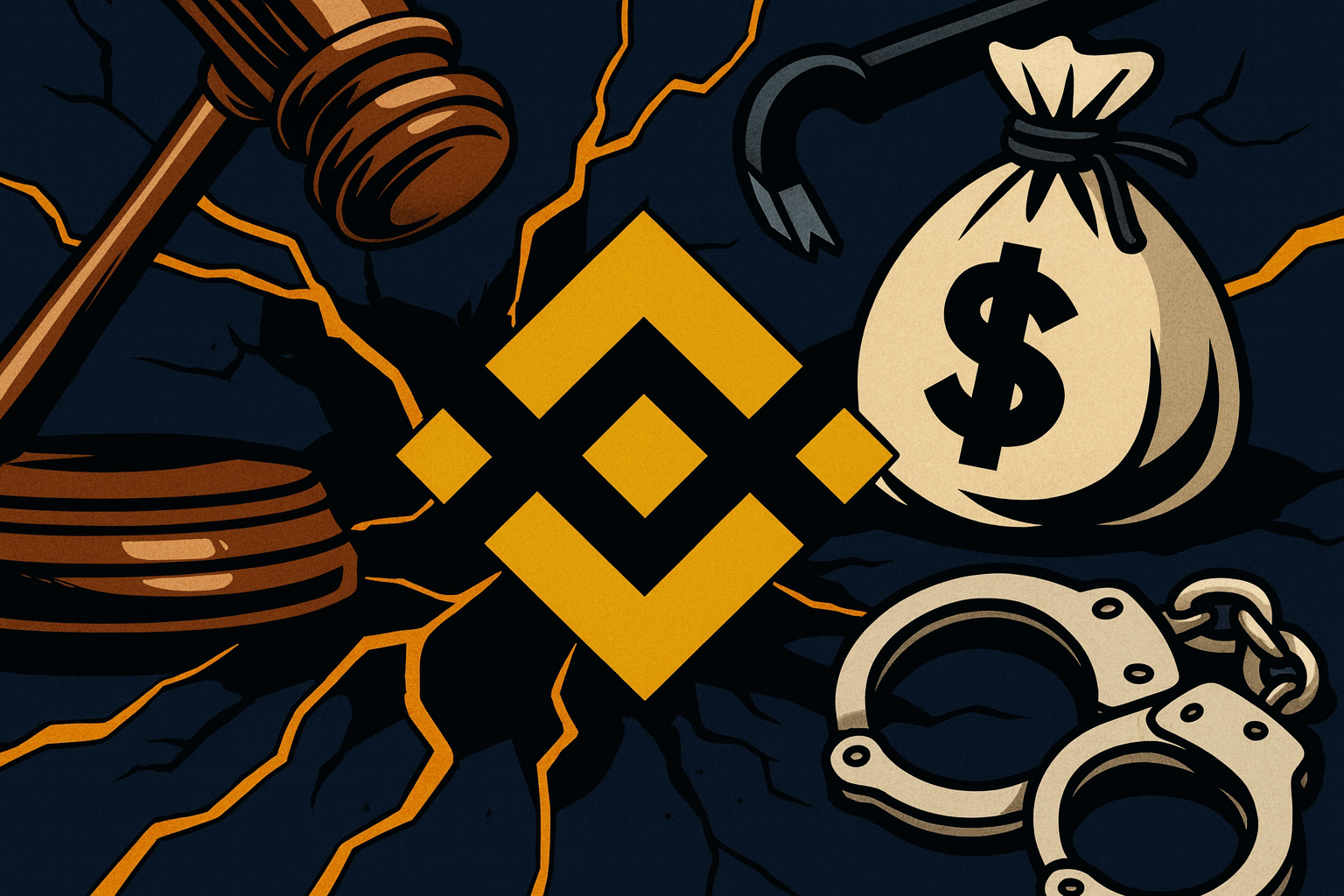
A Florida scam victim will get a second chance to pursue legal action against Binance Holdings Inc. after a state appeals court ruled that a lawsuit over the alleged theft of $80 million worth of Bitcoin can move forward. The Florida Third District Court of Appeals determined on Wednesday that a lower court improperly dismissed the case for lack of personal jurisdiction, stating the plaintiff presented a plausible argument that Binance conducts business activities connected to Florida users.
The lawsuit, originally filed in state court, claims scammers gained access to the victim’s Binance account and transferred roughly $80 million in Bitcoin off the exchange. According to the plaintiff, Binance was notified immediately and provided with transaction details but did not freeze the stolen assets in time, allowing the funds to vanish permanently. The defendant argues it has no direct operational presence in Florida, but the appeals court disagreed, reviving the case and sending it back to the trial court for further proceedings.
The decision does not determine whether Binance is liable, but it opens the door for discovery, hearings, and evidence collection. Legal analysts say the ruling could have wider implications for global crypto exchanges that serve U.S. users while attempting to avoid state-level jurisdiction.
This lawsuit adds to Binance’s broader legal challenges over the past two years, including federal scrutiny regarding compliance and operational practices. As the case progresses, the Florida court will assess whether Binance can be held responsible for failing to safeguard customer assets amid an alleged sophisticated crypto theft.

Conflux Joins Hong Kong Web3 Festival as Secondary Exhibition Sponsor

Web3 Leader Programme is an official Platinum Sponsor at Hong Kong Web3 Festival 2026

WEEX Labs Announced as Primary Exhibition Sponsor at Hong Kong Web3 Festival

CF Blockchain Joins Hong Kong Web3 Festival as Secondary Exhibition Sponsor

ENI Announced as Gold Sponsor at Hong Kong Web3 Festival 2026

CoinPost Announced as Secondary Exhibition Sponsor at Hong Kong Web3 Festival 2026

Cardalonia Aiming To Become The Biggest Metaverse Project On Cardano

P2P2C BREAKTHROUGH CREATES A CONNECTION BETWEEN ETM TOKEN AND THE SUPER PROFITABLE MARKET

WOM Protocol partners with CoinPayments, the world’s largest cryptocurrency payments processor

ETHERSMART DEVELOPER’S VISION MADE FINTECH COMPANY BECOME DUBAI’S TOP DIGITAL BANK

Project Quantum – Decentralised AAA Gaming

WOM Protocol Recommended by Premier Crypto Analyst as only full featured project for August
-
 Crypto4 years ago
Cardalonia Aiming To Become The Biggest Metaverse Project On Cardano
-
 Press Release5 years ago
P2P2C BREAKTHROUGH CREATES A CONNECTION BETWEEN ETM TOKEN AND THE SUPER PROFITABLE MARKET
-
 Blockchain6 years ago
WOM Protocol partners with CoinPayments, the world’s largest cryptocurrency payments processor
-
 Press Release5 years ago
ETHERSMART DEVELOPER’S VISION MADE FINTECH COMPANY BECOME DUBAI’S TOP DIGITAL BANK
-
 Press Release5 years ago
Project Quantum – Decentralised AAA Gaming
-
 Blockchain6 years ago
WOM Protocol Recommended by Premier Crypto Analyst as only full featured project for August
-
 Press Release5 years ago
ETHERSMART DEVELOPER’S VISION MADE FINTECH COMPANY BECOME DUBAI’S TOP DIGITAL BANK
-
 Blockchain6 years ago
1.5 Times More Bitcoin is purchased by Grayscale Than Daily Mined Coins