
Trading Analysis
3 Crypto That Could Make You Rich in 2024

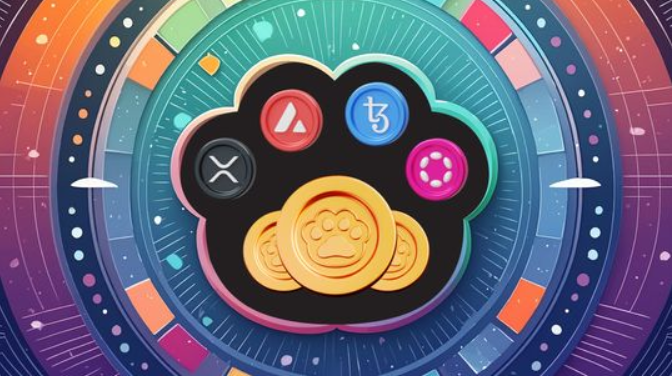
XRP struggles to break above key resistance levels as its price hovers around $0.4160, with challenges looming ahead amidst bearish market trends in Bitcoin and Ethereum. Key technical indicators signal a potential decline towards $0.3750 if critical support levels are not maintained.
As the cryptocurrency market continues to evolve, certain altcoins are emerging with the potential to deliver substantial returns. Ripple (XRP), Cardano (ADA), and PawFury (PAW) are making significant strides and capturing investor interest. These cryptocurrencies, with their innovative features and strong market presence, could be key to making significant profits in 2024.
Ripple (XRP) Faces Continued Pressure but Shows Potential
Ripple (XRP) has been facing challenges as its price remains below key resistance levels. Despite these obstacles, XRP continues to be a significant player in the cryptocurrency market. Analysts believe that if XRP can overcome its current resistance levels, it has the potential for substantial growth.
Current Challenges: XRP is struggling to break above $0.4250, with bearish market trends in Bitcoin and Ethereum influencing its performance.
Potential for Growth: Should XRP surpass its resistance levels, it could aim for higher price targets, making it a promising investment for those willing to take on some risk.
Cardano (ADA) on the Rise
Cardano (ADA) is another altcoin showing strong potential. Known for its research-driven approach and strong focus on security and scalability, Cardano is continuously developing its ecosystem. Its recent updates and projects are expected to drive further growth.
Strong Fundamentals: Research-driven and secure.
Scalability: Continuous improvements in technology.
Growing Ecosystem: Increasing adoption and use cases.
Rising Interest in PawFury (PAW)
Amid the market’s turbulence, PawFury (PAW) has emerged as a particularly promising investment. Pawfury has gained attention for its innovative approach, strong community engagement, and potential high returns. Investors appreciate its unique features and successful presale.
Innovative Ecosystem
Pawfury offers a comprehensive ecosystem that includes decentralized applications (dApps), a vibrant NFT marketplace, and high-yield staking opportunities. This diverse ecosystem attracts a wide range of users and investors.

Successful Presale
Pawfury’s presale has been highly successful, demonstrating strong investor confidence. Analysts are optimistic about its potential, with predictions suggesting significant future growth. Investors are particularly drawn to its growth potential and community-driven development.
Upcoming Exchange Listings
PawFury is expected to be listed on major exchanges soon, which could further boost its accessibility and value. These listings are anticipated to enhance the token’s visibility and trading volume, potentially driving up its price.
Promotional Offer
For those interested in Pawfury, there is currently a promotional offer to use the code “TOKENBONUS10X” to receive a 10% extra bonus on purchases, adding an extra incentive for early buyers.
Factors Driving Altcoin Growth
The anticipated surge in altcoin prices, including Ripple (XRP), Cardano (ADA), and Pawfury (PAW), is driven by several factors:
Technological Advancements: Innovations in blockchain technology and the development of new use cases continue to attract investment.
Market Trends: The overall bullish sentiment in the cryptocurrency market is fostering growth for promising altcoins.
Investor Interest: Increasing interest from both retail and institutional investors is driving demand for high-potential altcoins.
Conclusion
As the cryptocurrency market continues to evolve, Ripple, Cardano, and PawFury stand out as potential winners for 2024. These cryptocurrencies, with their strong fundamentals and innovative use cases, are poised for significant growth. Investors looking to diversify their portfolios should consider these altcoins, keeping in mind the importance of thorough research and understanding the inherent risks associated with cryptocurrency investments.
By staying informed and making strategic decisions, investors can capitalize on the potential surges in these promising altcoins and navigate the dynamic cryptocurrency market effectively.
For more information, see:
Website:https://www.pawfury.com/
Whitepaper: https://www.pawfury.com/static/en/whitepaper.pdf
Twitter: https://x.com/Paw_Fury









Crypto
Origin Protocol (OGN) Outperforms Market by 14% in a Week as Revenue Buybacks and ARM Vaults Drive a Quiet DeFi Comeback


Origin Protocol doesn’t generate the kind of headlines that newer projects command. It’s been running since 2018 — ancient history by crypto standards — and has quietly evolved from an NFT marketplace infrastructure company into one of Ethereum’s more disciplined yield-focused DeFi protocols. OGN is up 14.2% over the past seven days, outperforming both the global crypto market at 7% and comparable Ethereum ecosystem tokens at 12.7%. The token is trading around $0.022, with a market cap in the low double-digit millions — a valuation that the protocol’s own revenue generation arguably doesn’t justify.
The July 6 community call covered ARM Vaults, OUSD, OGN, and new integrations — a regular cadence that reflects a team that’s building consistently rather than chasing headlines. For a protocol that has been running weekly OGN buybacks funded entirely by protocol revenue, consistency is the product.
The Buyback Mechanism That Actually Matters
Origin’s DAO voted in July 2025 to double weekly buybacks to approximately $200,000 per week, funded by protocol revenue and treasury assets. In the first full month of protocol-funded buybacks, over 7 million OGN were repurchased — a pace that drove protocol yields toward approximately 40% variable APY for stakers at peak.
That number deserves unpacking. A 40% APY funded by actual protocol revenue — not token emissions — is a materially different yield proposition than the inflationary staking rewards that drove the DeFi summer boom and subsequent collapse. Origin is buying OGN from the open market with real cash flows generated by OUSD, OETH, and ARM Vaults — creating a direct link between yield product adoption and OGN token demand.
The protocol is targeting $10 million in annual protocol revenue to fuel ongoing buybacks and staker rewards — a concrete, measurable goal that sits at the center of Origin’s value proposition for OGN holders.
ARM Vaults and the Multichain Yield Expansion
The ARM — Automated Rate Maker — Vault is Origin’s most recently highlighted product, providing automated yield optimization across DeFi lending markets. The July community call covered ARM Vault updates specifically, suggesting active development and integration work is underway.
The February 2026 expansion to Base Chain via Morpho markets extended Origin’s stablecoin infrastructure beyond Ethereum mainnet for the first time, giving OUSD and OETH access to Base’s growing DeFi ecosystem and lower transaction costs. That multichain expansion is directionally important — yield products that are gas-cost competitive attract more users at the margin, and Base’s growing user base represents a distribution channel that Ethereum mainnet alone doesn’t provide.
OETH received a cryptographic proof of solvency upgrade that makes staking rewards faster and trust-minimized — meaning users can verify reserves cryptographically rather than relying on periodic attestations. That kind of institutional-grade transparency upgrade directly addresses the concern that yield-bearing products carry hidden counterparty risk.
Pendle Integration and Structured Yield
Origin Protocol’s integration with Pendle — the yield tokenization protocol — gives OETH holders access to fixed-yield structures and leveraged yield positions. That integration was specifically highlighted in an AMA discussing new Pendle markets and current trends in decentralized lending alongside Ripe Finance. Pendle’s framework allows sophisticated yield strategies that traditional DeFi lending doesn’t support — and Origin’s position as a yield-generating protocol makes its assets natural candidates for Pendle’s principal and yield token splitting mechanism.
The Structural Picture for OGN
OGN’s staking model allows locking for one month to one year, with xOGN granted relative to the amount staked and lock duration. xOGN carries both voting rights and economic entitlement to protocol revenue — a clean alignment between governance participation and yield capture.
The technical picture remains bearish on longer timeframes — the 50-day and 200-day moving averages are both falling and sitting above the current price, suggesting that the 14% weekly outperformance is a bounce within a larger downtrend rather than a confirmed reversal. A weekly close above $0.025 to $0.030 would begin to change that longer-term technical read.
What Origin has going for it is rare in a market saturated with token emission-funded APYs: genuine protocol revenue, a transparent buyback mechanism, a consistent community engagement cadence, and a product suite that has been running long enough to build a credibility track record that newer protocols simply can’t replicate.
Blockchain
Midnight (NIGHT) Jumps 15% as Glacier Drop Portal Reopens and Token Terminal Partnership Counters Inactivity Claims
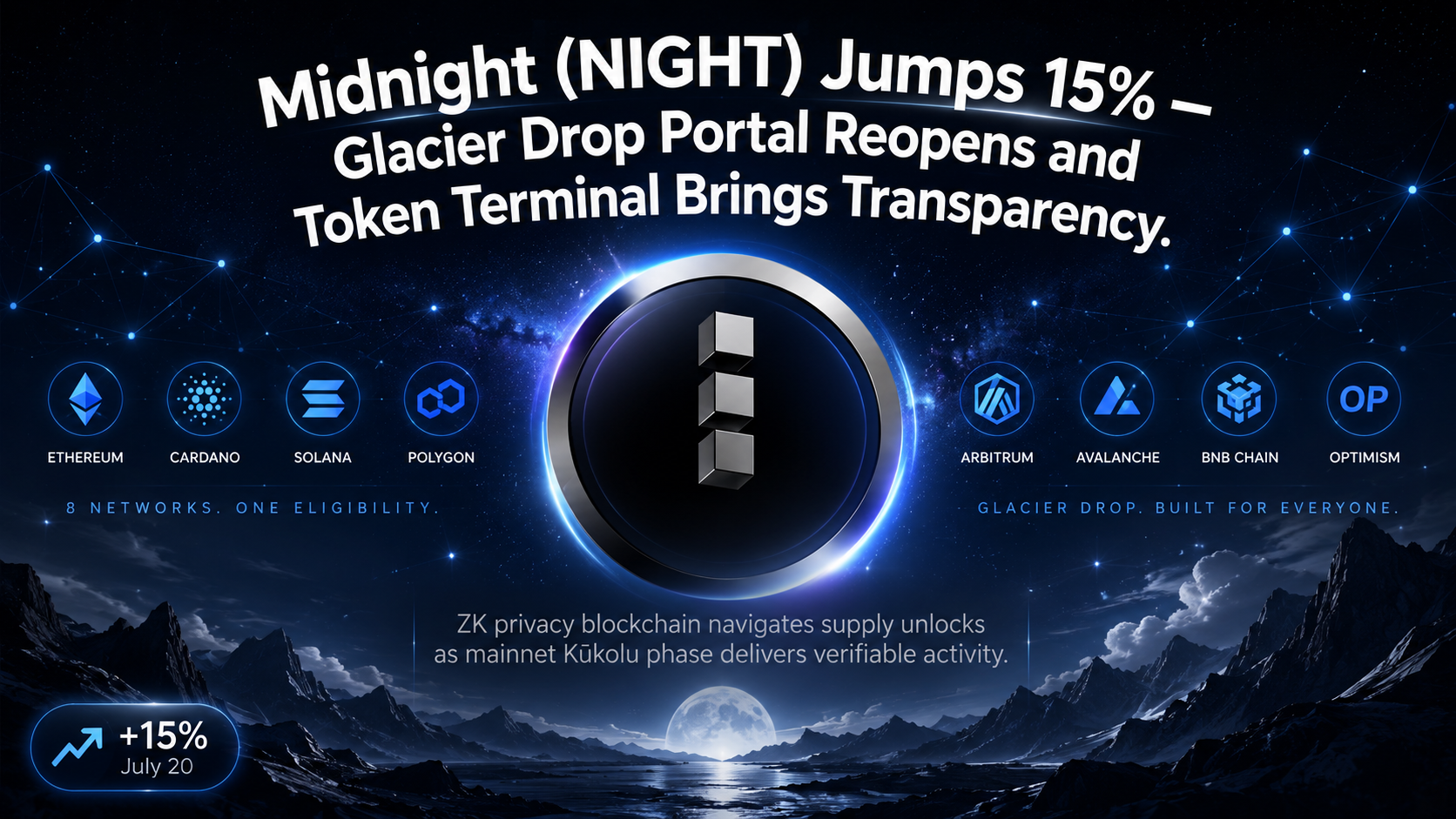
Midnight has had a turbulent but increasingly substantive few weeks. NIGHT is trading at $0.017 as of July 20, 2026, with a 24-hour trading volume of $75.30 million — up 15% on the day following two developments that arrived in quick succession and shifted market sentiment from bearish to cautiously constructive. The Glacier Drop redemption portal reopened on July 10 after a security review, and Token Terminal partnership data went live on July 9 providing transparent on-chain metrics that directly countered claims of network inactivity.
For a privacy blockchain that has spent months navigating persistent sell pressure from its unlock schedule, both developments matter — one for trust, one for transparency.
The Security Review That Cleared the Network
The Midnight Foundation reopened its Glacier Drop redemption portal on June 9, following a security review prompted by the SecondFi wallet exploit that stole 16 million ADA. The Foundation confirmed its infrastructure was isolated and secure, with all user NIGHT token allocations intact. The swift resolution is significant because it demonstrates operational resilience at a moment when the broader Cardano ecosystem was under scrutiny — and it confirms that eligible users’ allocations were protected throughout the review period.
The third phase of the scheduled distribution continues, with the final redemption window ending in December 2026. For users who missed earlier claim windows, that deadline is the critical date to track.
What Midnight Is Actually Building
Midnight is a privacy-preserving Layer 1 blockchain developed by Input Output Global and conceptualized by Charles Hoskinson. It uses zero-knowledge cryptography and selective disclosure to protect user and application data. The distinction from conventional privacy coins is deliberate and commercially important — Midnight isn’t built to hide everything from everyone. It’s built to let users and applications choose precisely what to disclose and to whom, while proving compliance with regulations without exposing the underlying data.
The ecosystem runs on a dual-token model: NIGHT, the unshielded native token used for governance, block production rewards, and incentives; and DUST, a shielded, non-transferable, and decaying resource used to pay for transactions. NIGHT generates DUST over time, allowing predictable access to network capacity without direct token spending. That separation of governance capital from operational costs is one of Midnight’s most technically distinctive design choices — it means holding NIGHT isn’t just a speculative position but a functional stake in the network’s operational capacity.
Midnight’s federated mainnet launched on March 31, 2026, initiating the Kūkolu phase. The roadmap progresses toward Mōhalu — an incentivized testnet with DUST Capacity Exchange — and Hua, focused on cross-chain interoperability. Key partnerships, like MoneyGram operating a federated validator node, provide institutional credibility and potential real-world usage vectors.
The Glacier Drop Distribution Still Creating Supply Pressure
The honest counterweight to the improving narrative is the unlock schedule. The 360-day Glacier Drop thawing period creates persistent sell pressure as 25% installments unlock quarterly, capping short-term rallies. This constant inflow of tokens can suppress price appreciation in the short to medium term, making it difficult for NIGHT to sustain rallies until the unlock schedule concludes or is outweighed by significant new demand.
The Glacier Drop distribution framework was designed across three phases targeting holders of Bitcoin, Ethereum, Cardano, Binance Chain, Brave, Solana, Ripple, and Avalanche — a multi-chain eligibility structure that distributed NIGHT broadly across the crypto community. That breadth creates a diverse holder base but also means a large number of recipients with varying cost bases and time horizons are making independent selling decisions throughout the unlock window.
NIGHT price may still be stuck in a bearish trend, but the Midnight network has quietly delivered verifiable on-chain activity that many critics claimed it lacked. The project’s new data partnership with Token Terminal puts its blockchain metrics in full view. That transparency initiative is the most direct response available to inactivity claims — putting live data in front of critics rather than issuing statements.
The crypto Fear and Greed Index sitting at 20 reflects risk-off sentiment that weighs on altcoins like NIGHT. Privacy-focused tokens face unique regulatory scrutiny, as seen with EU proposed rules affecting exchange listings. Midnight’s selective disclosure architecture is specifically designed to navigate that regulatory environment — but the market’s current mood isn’t distinguishing between privacy projects with compliance-friendly designs and those without.
The $0.0297 support level held through June’s pressure test. Whether NIGHT can build on the July 15% bounce and reclaim meaningful resistance above $0.044 will depend on Mōhalu’s launch timeline and whether MoneyGram’s validator activity drives real DUST consumption — the metric that most directly links network usage to NIGHT demand.
Blockchain
BUILDon (B) Pulls Back 34% in a Week as WLFI-Backed Launchpad Vision Faces a Liquidity Reality Check
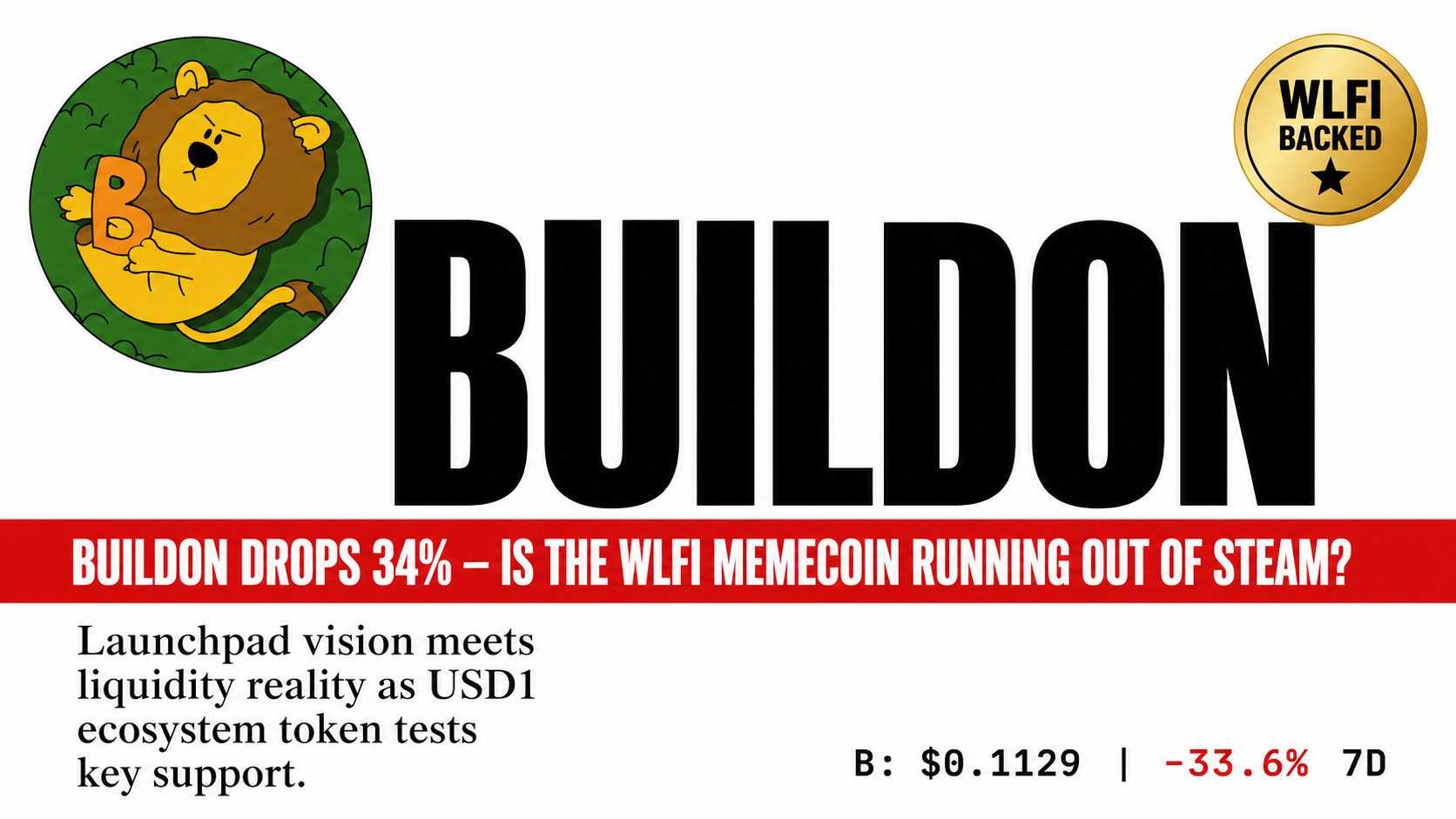
BUILDon has had one of the more turbulent weeks in its short trading history. The token is currently trading at $0.1129, down 33.6% over the past seven days and sitting roughly 85% below its all-time high of $0.73 reached in August 2025. With a circulating supply of 1 billion B tokens and a market cap of approximately $113 million, BUILDon occupies an unusual position in crypto — part memecoin, part politically adjacent DeFi infrastructure play, and entirely dependent on the continued momentum of the World Liberty Financial ecosystem it’s attached itself to.
The week’s decline arrived just days after a sharp 52.18% surge in a single four-hour candle on July 8, driven by $114,840 in short liquidations as forced covering propelled price back toward the $0.172 former support zone. That kind of liquidity-driven move is a double-edged signal — it produces explosive momentum in the short term but offers little information about whether genuine demand has returned.
The WLFI Connection That Defines the Token
BUILDon’s entire narrative is anchored to a single, extraordinary credential: it is the first memecoin to receive investment from World Liberty Financial — the crypto project backed by the family of US President Donald Trump. On May 22, 2025, WLFI announced it had purchased B tokens, with on-chain data from Arkham confirming 636,000 B tokens in WLFI’s wallet valued at approximately $172,000 at the time of purchase.
WLFI’s own statement captured what BUILDon is positioning itself as within the ecosystem: “Love seeing projects choose USD1 as their base pair — faster settlement, deeper liquidity, and growing every day. We hope to see more tokens make the switch.” BUILDon uses USD1, WLFI’s stablecoin, as its primary trading pair — a design choice that creates direct structural linkage between B token liquidity and USD1 adoption. As USD1 grows, BUILDon’s liquidity infrastructure benefits proportionally.
From Memecoin to Launchpad — The Infrastructure Pivot
The most significant strategic development is BUILDon’s pivot from pure memecoin to genuine DeFi infrastructure. The project is developing a dedicated launchpad designed to incubate early-stage projects within the USD1 and WLFI ecosystems, offering vetting services and multi-chain fundraising options. If executed, that positions BUILDon not just as a token that benefits from WLFI’s growth but as the primary onboarding infrastructure for new projects entering the ecosystem.
The B Purchases cross-chain tool adds another layer of genuine utility. The tool allows users to pay with a stablecoin on one blockchain and instantly receive B or other tokens on another chain within a single transaction — eliminating manual bridging. The tool is currently in beta, with ongoing refinement, but represents a real backend infrastructure upgrade rather than a marketing feature.
BUILDon’s intelligent investment platform, built on an Agent-to-Agent architecture, is designed to automate research and investment activities by processing on-chain data and performing asset analysis — an AI-native layer that aligns the project with the autonomous agent narrative that has been generating significant market attention throughout 2026.
WEEX Futures Doubles Leverage to 100x
On July 8, WEEX Futures increased maximum leverage for B from 50x to 100x — a move that amplifies both potential gains and risks for derivatives traders. Higher leverage availability tends to increase open interest and price volatility in both directions, and the timing coincided with the short squeeze that produced the 52% intraday spike. With 100x leverage now available, even modest price moves translate into dramatic position changes — a dynamic that benefits active traders but increases the systemic risk of cascading liquidations during adverse moves.
The CertiK security score of 4.0 and publicly verified smart contract provide baseline technical credibility, though the anonymous team structure remains a meaningful risk factor for institutional participants evaluating the project.
For a token that started at $0.001494 in April 2025 and now trades near $0.11 — an 11,452% appreciation from its all-time low — BUILDon has already delivered extraordinary returns for early holders. Whether the launchpad vision and USD1 integration can justify the current $113 million market cap through actual platform revenue rather than political adjacency is the question the next few months will answer.

Aptos brings Encrypted Mempool to mainnet in move aimed at lowering MEV risk

RWA WEEK Singapore Announces New Wave of Institutional Speakers as October Event Draws Closer

Bittensor SN10 Work Tied to Pareto AI and Engy AI at Exploit Summit

BNB Chain Agent Studio v4 adds NodeOpsHQ for prompt-to-agent deployment

BNB Chain releases Agent Studio v4 with simplified AI agent deployment and stablecoin support

ChainUp Brings The Institutional Ark to TOKEN2049 Singapore, Focusing on Digital Asset Infrastructure and High-Value Deal Flow

Cardalonia Aiming To Become The Biggest Metaverse Project On Cardano

P2P2C BREAKTHROUGH CREATES A CONNECTION BETWEEN ETM TOKEN AND THE SUPER PROFITABLE MARKET

WOM Protocol partners with CoinPayments, the world’s largest cryptocurrency payments processor

ETHERSMART DEVELOPER’S VISION MADE FINTECH COMPANY BECOME DUBAI’S TOP DIGITAL BANK

Project Quantum – Decentralised AAA Gaming

WOM Protocol Recommended by Premier Crypto Analyst as only full featured project for August
-
 Crypto4 years ago
Cardalonia Aiming To Become The Biggest Metaverse Project On Cardano
-
 Press Release6 years ago
P2P2C BREAKTHROUGH CREATES A CONNECTION BETWEEN ETM TOKEN AND THE SUPER PROFITABLE MARKET
-
 Blockchain6 years ago
WOM Protocol partners with CoinPayments, the world’s largest cryptocurrency payments processor
-
 Press Release6 years ago
ETHERSMART DEVELOPER’S VISION MADE FINTECH COMPANY BECOME DUBAI’S TOP DIGITAL BANK
-
 Press Release5 years ago
Project Quantum – Decentralised AAA Gaming
-
 Blockchain6 years ago
WOM Protocol Recommended by Premier Crypto Analyst as only full featured project for August
-
 Press Release6 years ago
ETHERSMART DEVELOPER’S VISION MADE FINTECH COMPANY BECOME DUBAI’S TOP DIGITAL BANK
-
 Blockchain6 years ago
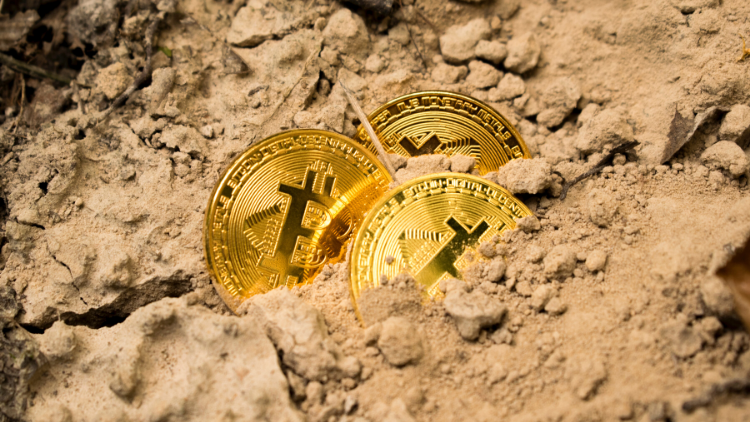
1.5 Times More Bitcoin is purchased by Grayscale Than Daily Mined Coins