
Press Release
Future Blockchain Summit to Feature Sastanaqqam’s Vision for a Decentralized Future


Dubai, UAE, The sprawling Dubai Harbour is all set to host the Future Blockchain Summit, MENA’s most immersive large-scale blockchain conference. This year, the summit is thrilled to announce the participation of Sastanaqqam, the trailblazing blockchain-based ecosystem.
Sastanaqqam’s presence at the summit is a testament to its dedication to pushing the boundaries of Web 3.0. The summit, which attracts industry leaders, tech enthusiasts, and blockchain experts, offers an unparalleled opportunity for Sastanaqqam to engage with a global audience, share its innovative solutions, and carve a niche in the ever-evolving blockchain landscape.
The collaboration between the Future Blockchain Summit and Sastanaqqam signifies a shared vision for a decentralized future. With panel discussions, workshops, and networking sessions, attendees will gain deep insights into the next big thing in blockchain and entertainment. They will also get a chance to interact with the Sastanaqqam team, understand their offerings, and explore potential collaborations.

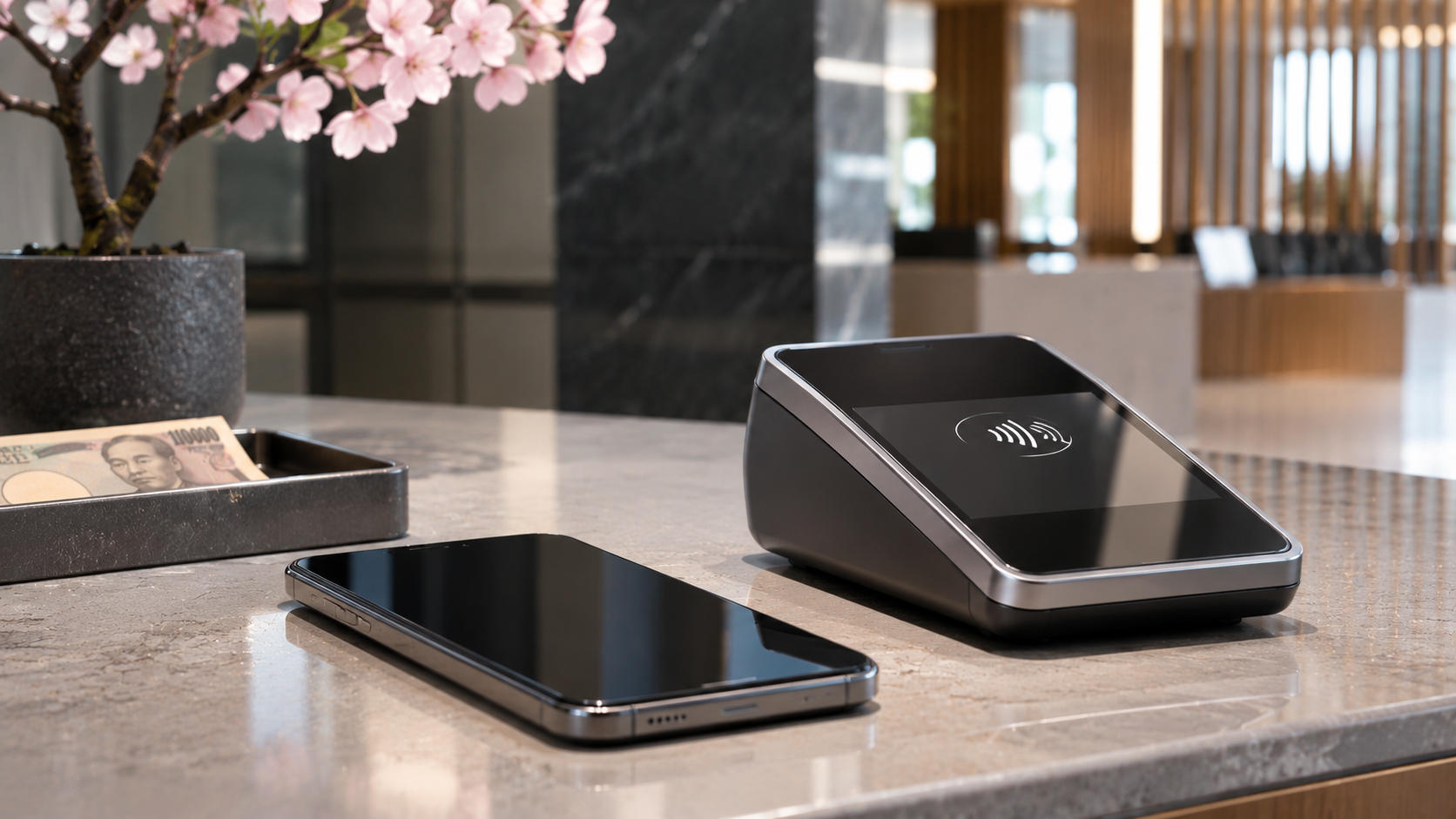
TOKYO, Japan, November 16, 2026, Japan’s three largest banking groups are preparing to begin commercial transactions using a yen-pegged stablecoin by March 2027, according to comments from Sumitomo Mitsui Banking Corporation (SMBC) executive Tomoya Hasebe at a financial industry roundtable in Singapore on November 16.
The initiative involves SMBC, Mitsubishi UFJ Financial Group (MUFG) and Mizuho Financial Group. The banks are working towards a shared digital currency arrangement designed primarily for corporate payments, cross-border trade settlement and transfers between multinational companies.
Background
Stablecoins are digital tokens designed to maintain a relatively stable value by referencing a traditional currency or another asset. Yen-backed stablecoins are intended to represent the value of the Japanese currency on blockchain networks, allowing businesses to use digital infrastructure for transfers and settlement.
Japan has been developing its regulatory approach to digital assets and payment services, with the Financial Services Agency playing a role in the country’s stablecoin framework. The participation of major banking groups reflects an effort to bring digital currency services into established financial structures rather than relying exclusively on cryptocurrency-native issuers.
The three banking groups have been working together on the operational and governance arrangements required for the proposed token.
Key Developments
The banks established a joint issuance governance committee in June 2026 and completed a proof of concept in July. The testing covered the main stages of the stablecoin process, including issuance, transfers and redemption under Japan’s Payment Services Act.
The planned token is designed to maintain a value of one yen per unit. Its backing is expected to be held in a trust structure legally separated from the banks’ own corporate assets. This arrangement is intended to distinguish the reserves supporting the token from the banks’ proprietary funds.
The primary use case is business payments rather than everyday retail cryptocurrency trading. Companies operating across different countries could use the system to move funds between subsidiaries, settle trade obligations and manage internal liquidity.
At the November 16 roundtable, SMBC’s Tomoya Hasebe described competition between currencies as increasingly connected to software and digital infrastructure. His comments reflect the banks’ interest in the role that programmable financial systems could play in future payment services.
Industry Implications
The involvement of Japan’s three largest banking groups could give yen-denominated digital payments a stronger institutional foundation. It also creates a potential alternative to relying entirely on dollar-linked stablecoins for certain international business transactions.
For Japanese companies, a regulated yen stablecoin could offer another way to manage payments across borders and time zones. However, its usefulness will depend on the number of participating businesses, the systems that support transfers and the ease with which tokens can be converted back into conventional money.
The initiative also places Japan within a wider competition among financial institutions and payment providers developing tokenised money services.
What’s Next
The banks are targeting commercial use by March 2027, the end of Japan’s fiscal year. The remaining work includes preparing the issuance and operating framework and ensuring that the system meets applicable legal and regulatory requirements.
Further information about the token’s distribution, participating companies and commercial operating arrangements will help establish how widely it can be used.
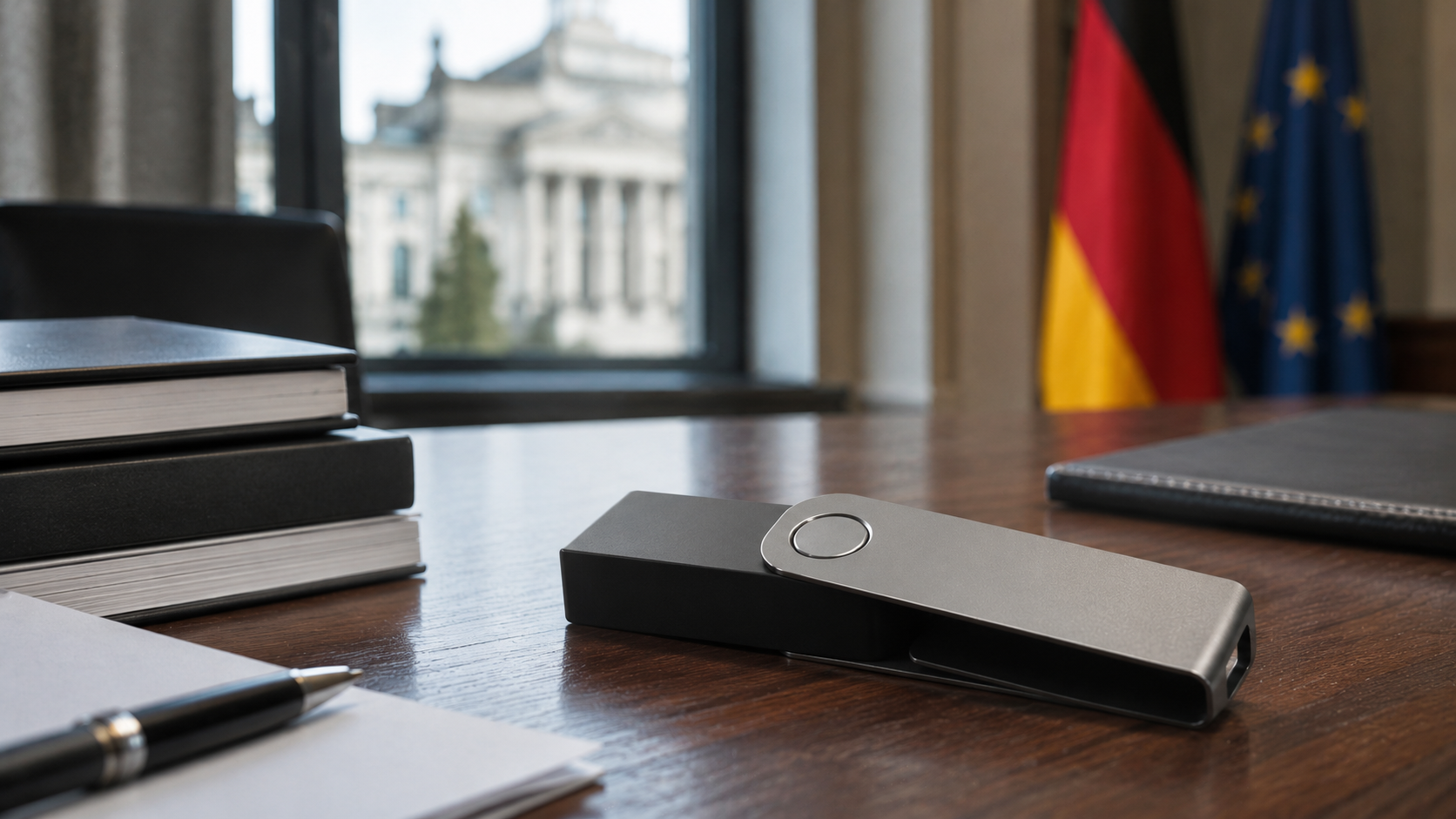
BERLIN, Germany, November 16, 2026, Germany’s Bundestag has passed legislation that would give customs authorities new powers to temporarily seize cryptocurrency and other high-value assets when their lawful origin cannot be established. The proposed rules would allow authorities to hold qualifying assets even before a criminal investigation has been opened, placing additional scrutiny on people and businesses holding substantial digital assets in the country. The bill still requires approval from the Bundesrat before it can become law.
Background
The legislation, known as the Zollfinanzgerechtigkeitsgesetz, is intended to strengthen the authorities’ ability to investigate assets suspected of having an unclear or potentially unlawful origin. It forms part of a broader effort to address financial crime and improve the recovery of proceeds from illicit activity.
Cryptocurrency has become part of this discussion because digital assets can be transferred across borders and held through wallets that do not operate in the same way as traditional bank accounts. Although blockchain transactions are recorded on public networks, identifying the individuals behind particular wallets and establishing the source of funds can require additional investigation.
Key Developments
Under the legislation approved by the Bundestag, customs authorities would be able to temporarily hold assets worth more than €100,000 when their lawful origin appears implausible. The provisions cover cryptocurrency as well as other assets, including certain stablecoins and utility tokens.
The initial holding period could last up to 30 days. A financial court could approve an extension of up to another 150 days, bringing the maximum period to 180 days.
The distinction between temporary seizure and permanent confiscation is important. Holding an asset during an investigation would not automatically transfer ownership to the state. Permanent confiscation would require a separate court decision.
The bill also extends certain border-control requirements to cryptocurrency and other valuables. According to reporting on the legislation, the government estimates that the broader enforcement powers could generate approximately €308 million annually from 2028. That projection covers several asset categories, not cryptocurrency alone.
Industry Implications
The proposed framework could affect cryptocurrency holders, exchanges, custodians and payment companies operating in Germany. Businesses may need to pay closer attention to customer due diligence, transaction histories and documentation showing where significant digital asset holdings originated.
For individual holders, maintaining records of purchases, transfers, exchange withdrawals and other relevant transactions could become particularly important when authorities request evidence of ownership or lawful acquisition.
The legislation also raises practical questions about how authorities will value less liquid tokens and how affected individuals can challenge a temporary restriction. Those details will matter when the rules are implemented.
What’s Next
The bill must receive Bundesrat approval before proceeding towards implementation. The reported target date for the legislation to take effect is January 1, 2027.
Its final wording and any accompanying administrative guidance will be important for determining how customs authorities apply the new powers to cryptocurrency holdings.
Press Release
RWA WEEK Singapore Announces New Wave of Institutional Speakers as October Event Draws Closer

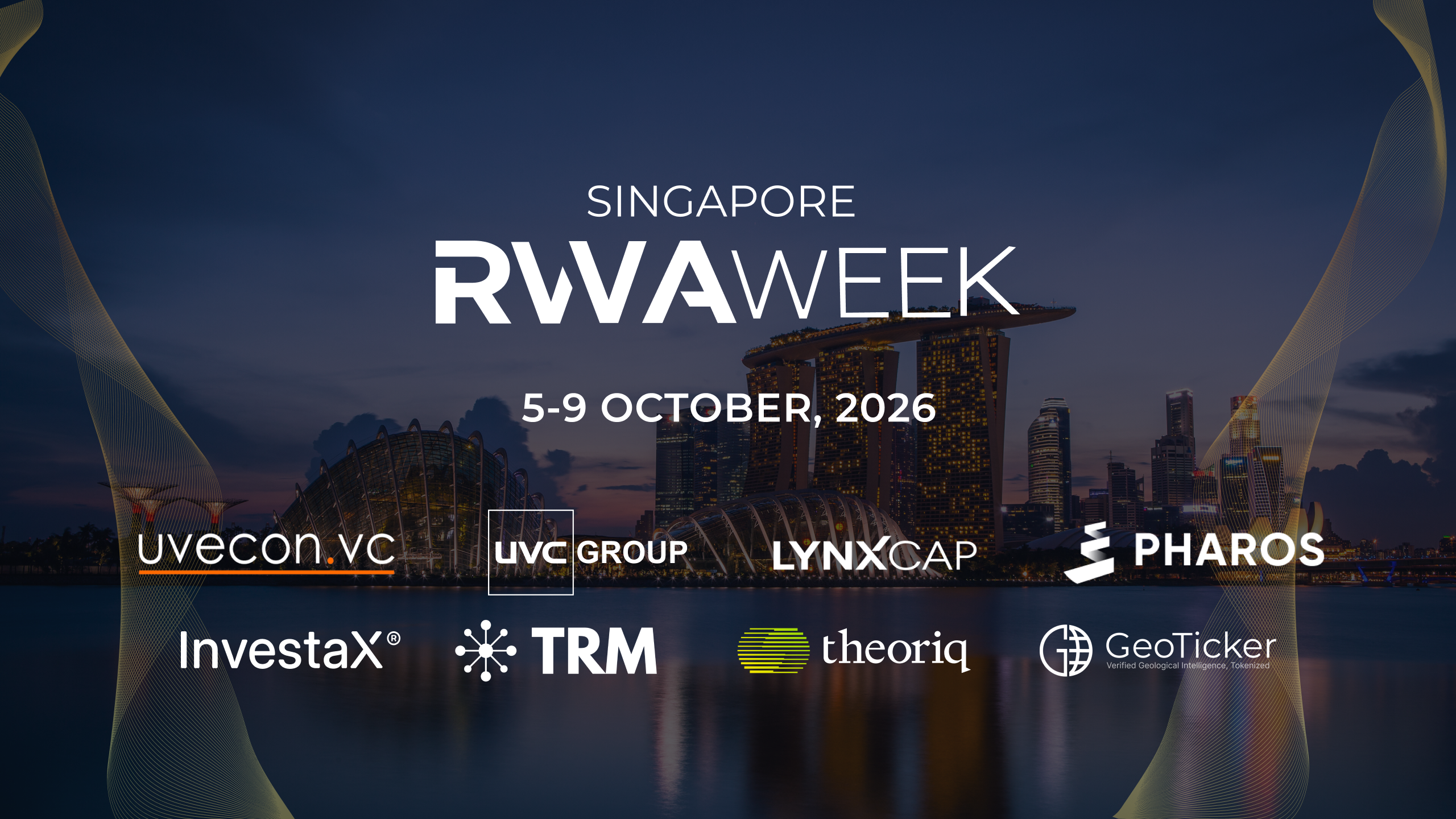
Singapore, October 6, 2026 — With less than a month to go until RWA WEEK Singapore, the organizers have announced a new wave of confirmed speakers and further details of the week-long program, which will bring together leading institutional investors, regulators, financial infrastructure providers, asset managers, family offices, blockchain founders, and Web3 companies in Singapore from October 5–9, 2026.
RWA WEEK Singapore is set to become one of the region’s key gatherings focused on the rapidly developing real-world asset tokenization economy, bringing together the traditional financial sector and the global digital asset industry at a time when institutional interest in tokenized assets continues to accelerate. The five-day program will feature a series of high-level events, curated investor meetings, private networking opportunities, and institutional discussions culminating in the flagship RWA Summit Singapore on October 9 at Marina One West Tower.
The RWA WEEK program will open on October 5 with THE DEALFLOW, a dedicated gathering for investors, asset managers, family offices, and capital allocators focused on curated networking, investment opportunities, and deal-making. The event is co-hosted by KundaBox. On October 6, TOKENISED VIP Singapore will bring together a highly curated group of institutional investors, RWA SUMMIT speakers, financial institutions, asset managers, family offices, founders, and senior digital asset executives for discussions around real-world tokenization use cases and institutional blockchain adoption. The week will culminate with RWA Summit Singapore on October 9, bringing together the wider RWA ecosystem for a full day of discussions, insights, networking, and business opportunities. The flagship summit is expected to attract more than 1,500 attendees, over 70 speakers, and upwards of 200 investors shaping the future of asset tokenization.
The organizers have also announced a new group of confirmed speakers who will join the previously revealed lineup. The latest additions include Adriel Wong, Head of Private Sector – APAC at TRM Labs; Yalini Isweran, Executive Director, Innovation Strategy at DTCC Digital Assets; Huong T Tran, Founder & Managing Partner at 6igma Ventures; and Melody He, Co-Founder & Partner at Spartan Group; Charles d’Haussy, CEO at dYdX Foundation; Pei Chen, CEO of Theoriq; Peter Kadish, Managing Director at LynxCap Investments.
The new speakers bring together expertise spanning financial regulation, institutional policy, financial market infrastructure, blockchain intelligence, investment, venture capital, decentralized infrastructure, and digital asset adoption. Their participation further strengthens the institutional focus of the Singapore edition as the RWA sector moves from early experimentation toward practical implementation across global financial markets.
They join an already strong lineup of confirmed speakers, including Yat Siu, Executive Chairman of Animoca Brands; Viv Diwakar, Head of Foundation at Canton; Edwin Mata, Co-Founder & CEO at Brickken; Julian Kwan, Co-Founder & CRO at IXS;
The growing speaker lineup reflects the broader evolution of the RWA market, where conversations are increasingly moving beyond the concept of tokenization itself toward the infrastructure, regulation, compliance, liquidity, custody, investment structures, and institutional frameworks required for tokenized assets to scale. The presence of senior representatives from organizations such as the Monetary Authority of Singapore, DTCC Digital Assets, and TRM Labs highlights the growing intersection between traditional financial infrastructure and the digital asset ecosystem.
RWA WEEK has also continued to expand its network of strategic partners supporting the Singapore edition. LYNXCAP Investments, dYdX, InvestaX, GeoTicker, Pharos and Theoriq are among the strategic partners of RWA WEEK Singapore, while TRM Labs joins the program specifically as Co-Host of TOKENISED VIP Singapore. The event is produced by UVECON.VC, a company of UVC GROUP.
RWA WEEK has established a growing international presence across major financial and digital asset hubs including Hong Kong, Dubai, Abu Dhabi, Seoul, and Singapore. Previous editions of RWA Summit have attracted hundreds of participants and leading voices from finance, digital assets, investment, and regulation. The Hong Kong edition welcomed more than 750 attendees and over 50 speakers, while the Dubai edition brought together representatives from leading Web3 companies, investment funds, exchanges, and regulatory organizations.
Singapore represents a particularly important destination for the next edition of RWA WEEK given the city’s position as a global financial center and its role in the development of digital asset regulation, financial innovation, and institutional blockchain infrastructure. As banks, asset managers, investment firms, and technology companies increasingly explore tokenized funds, securities, private credit, real estate, and other real-world assets, Singapore is emerging as one of the key markets where traditional finance and blockchain-based infrastructure are converging.
“We are witnessing the RWA market transition from experimentation to real institutional integration,” said Ivan V. Ivanov, Co-Founder of UVECON.VC, UVC GROUP and RWA WEEK. “RWA WEEK is designed to bring together the different sides of this market — institutional capital, financial infrastructure, regulators, technology providers, and Web3 innovators — and create an environment where meaningful partnerships, capital allocation, and real-world tokenization use cases can emerge. The strength of the Singapore lineup demonstrates how quickly this sector is developing.”
With only weeks remaining before RWA WEEK Singapore, preparations for the event are now entering their final stage. Interest from institutional participants, investors, founders, and industry professionals continues to build as the October program approaches, with attendees encouraged to secure their access ahead of the event.
RWA WEEK Singapore will take place October 5–9, 2026, with RWA Summit Singapore taking place on October 9 at Marina One West Tower.
More information:

Japan’s Three Largest Banks Target Yen Stablecoin Transactions by March 2027

Germany Advances Bill Allowing Authorities to Seize Crypto Assets of Unclear Origin

Bittensor introduces Gamma Tokens as payment layer

io.net highlights idle GPU supply as AI compute demand grows

NEAR launches Agent Market job board for local services quote agent

Monad reports 1B transactions in 11 months

Cardalonia Aiming To Become The Biggest Metaverse Project On Cardano

P2P2C BREAKTHROUGH CREATES A CONNECTION BETWEEN ETM TOKEN AND THE SUPER PROFITABLE MARKET

WOM Protocol partners with CoinPayments, the world’s largest cryptocurrency payments processor

ETHERSMART DEVELOPER’S VISION MADE FINTECH COMPANY BECOME DUBAI’S TOP DIGITAL BANK

Project Quantum – Decentralised AAA Gaming

WOM Protocol Recommended by Premier Crypto Analyst as only full featured project for August
-
 Crypto4 years ago
Cardalonia Aiming To Become The Biggest Metaverse Project On Cardano
-
 Press Release6 years ago
P2P2C BREAKTHROUGH CREATES A CONNECTION BETWEEN ETM TOKEN AND THE SUPER PROFITABLE MARKET
-
 Blockchain6 years ago
WOM Protocol partners with CoinPayments, the world’s largest cryptocurrency payments processor
-
 Press Release6 years ago
ETHERSMART DEVELOPER’S VISION MADE FINTECH COMPANY BECOME DUBAI’S TOP DIGITAL BANK
-
 Press Release5 years ago
Project Quantum – Decentralised AAA Gaming
-
 Blockchain6 years ago
WOM Protocol Recommended by Premier Crypto Analyst as only full featured project for August
-

 Press Release6 years ago
ETHERSMART DEVELOPER’S VISION MADE FINTECH COMPANY BECOME DUBAI’S TOP DIGITAL BANK
-
 Blockchain6 years ago
1.5 Times More Bitcoin is purchased by Grayscale Than Daily Mined Coins